Recent incidents in critical European infrastructures —this time involving refrigeration systems, weeks ago industrial control networks, and months ago failures in energy automation— remind us of something the electrical sector can no longer postpone: technology has changed, and the installer’s role must change with it.
Today, any installation is far more than cables, panels, and devices. It is a living, connected, monitored system that depends on software. And this demands a new generation of professionals able to work confidently in an environment where electricity coexists with digitalization, automation, and advanced energy management.
The 21st‑century installer doesn’t work only with tools: they work with data
For years, we understood the installer as a hands‑on technical professional focused on the physical execution of an installation. But today’s reality is different. An installer must interpret data, understand communication protocols, diagnose failures that are not visible to the eye, and anticipate risks that are not mechanical but digital.
The refrigeration systems recently affected in several European countries are a clear example: it wasn’t a compressor failure, it was a digital protection failure in a connected system. A component didn’t break; a vulnerability was exploited.
And this is not an isolated case. It is a trend.
Vocational training as a lever for technological resilience
Vocational Training faces a huge and exciting challenge: training the professionals who will keep the infrastructures that sustain our daily lives running. From supermarkets and hospitals to energy plants, logistics centers, and smart buildings.
To achieve this, training programs must incorporate —in a real, practical, and coordinated way— skills that are already essential:
- integration of electrical systems with digital platforms,
- advanced energy monitoring,
- automation of critical processes,
- secure configuration of connected devices,
- detection of hybrid failures (electrical + digital),
- prevention of vulnerabilities in industrial IoT environments.
Electricity remains the starting point, but the destination is much broader. And vocational training must be the bridge that connects both worlds.
Young people are ready; now we must prepare the path
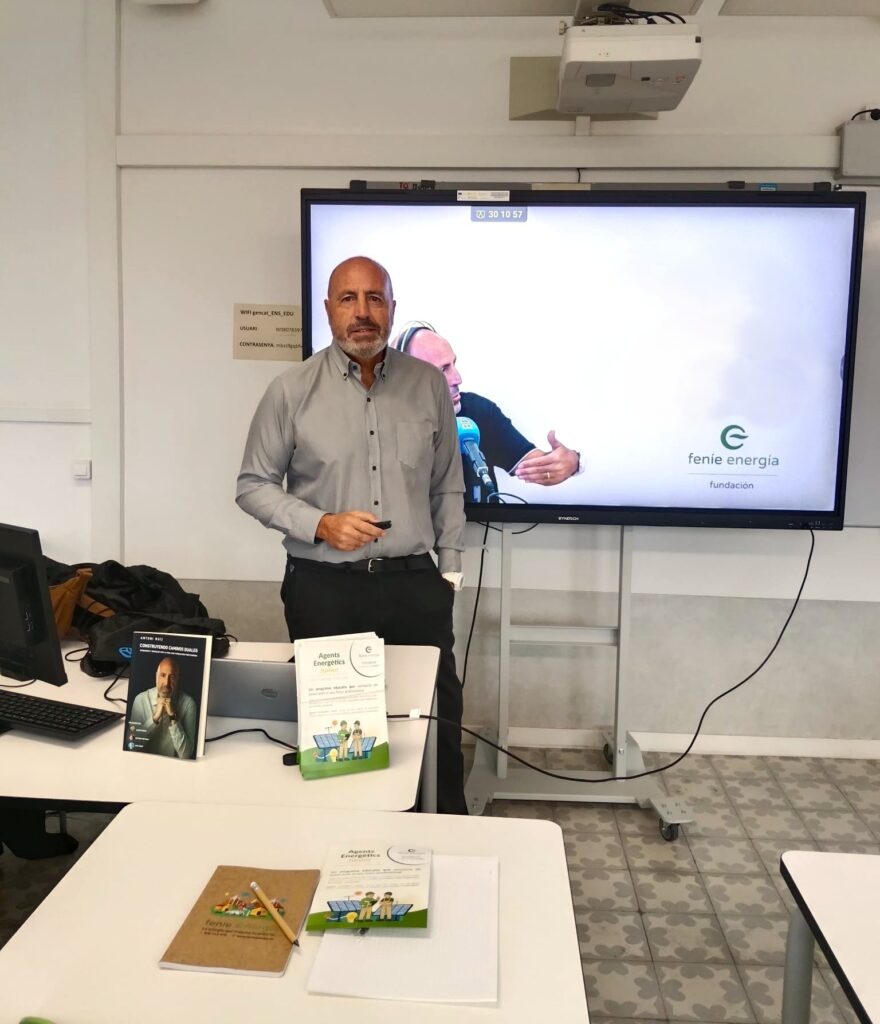
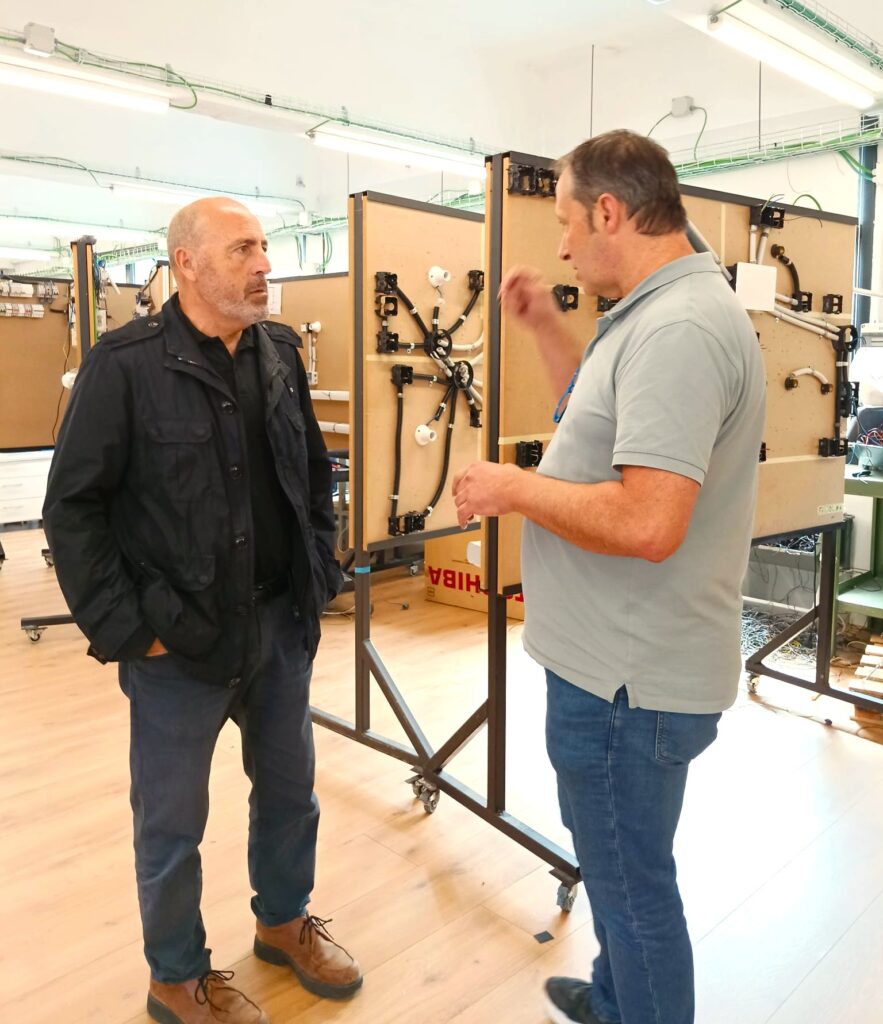
In my visits to vocational training centers across Spain, I see something encouraging: young people have the interest, talent, and capacity to embrace this new professional role. What they need is for the sector —companies, associations, manufacturers, and organizations like Fundación Fenie Energía— to provide a training ecosystem aligned with the technological reality of the market.
Teaching how to install is no longer enough. We must teach how to integrate. Knowing how to repair is no longer enough. We must teach how to protect. Knowing the equipment is no longer enough. We must understand the system.
A sector that is betting on its future
Every incident in a critical infrastructure is a reminder that safety, efficiency, and service continuity depend on well‑trained professionals. And that begins in the classroom.
Vocational training has the responsibility —and the opportunity— to prepare the installers of the 21st century: professionals capable of combining electricity, energy, digitalization, and control in a single technical perspective.
Because in a connected world, an installation doesn’t end when the last screw is tightened. It begins when the system operates, communicates, protects itself, and remains stable.
That is the installer the electrical sector needs. That is the installer vocational training must shape. That is the installer who will secure our future.
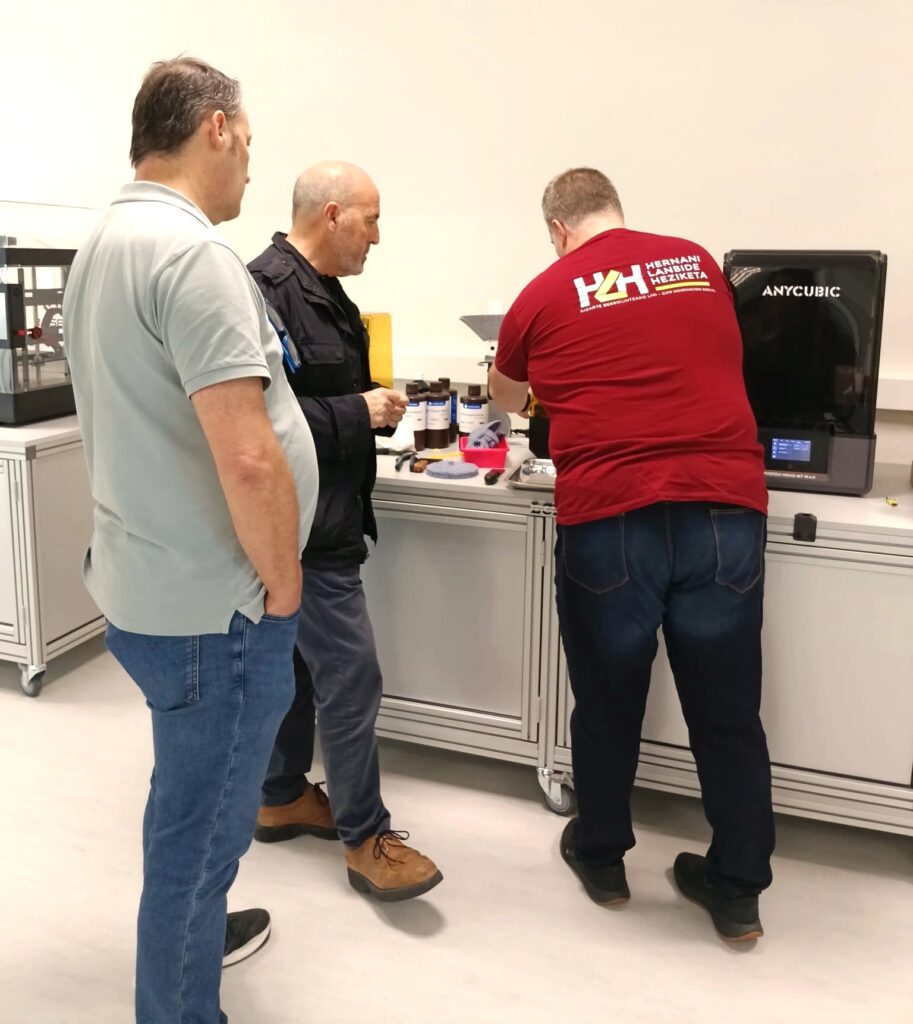
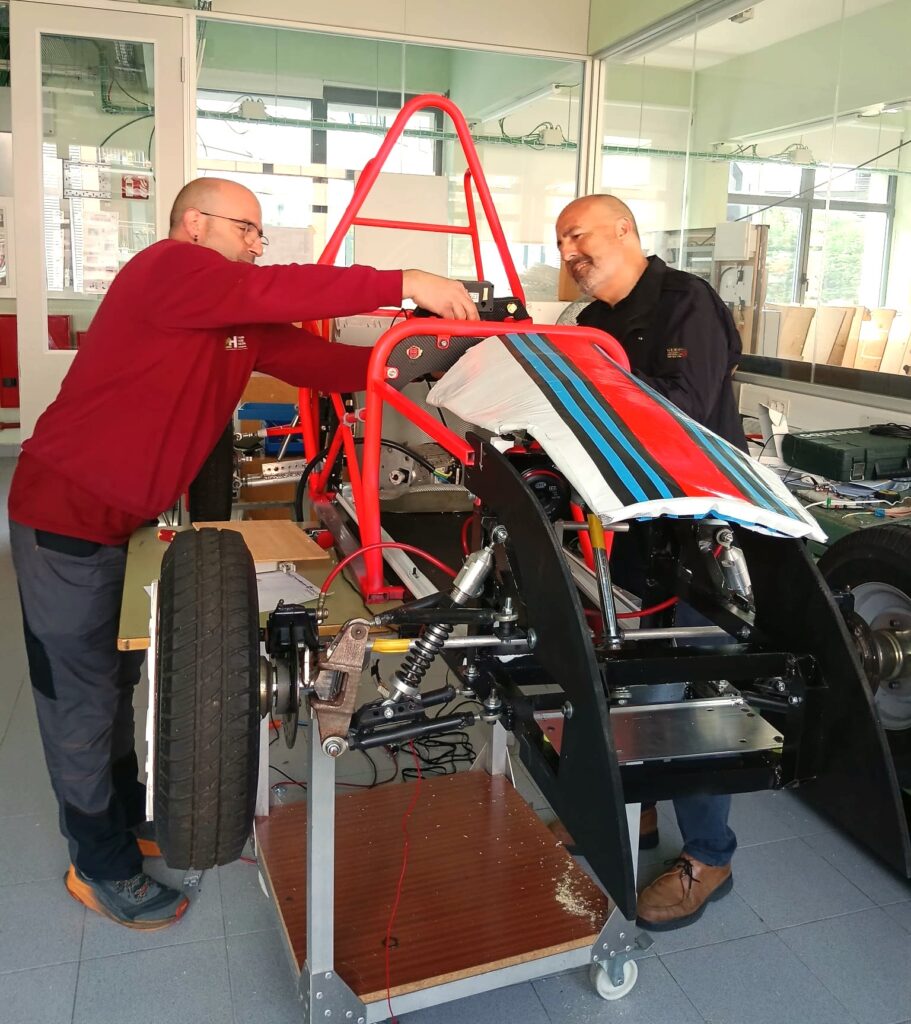
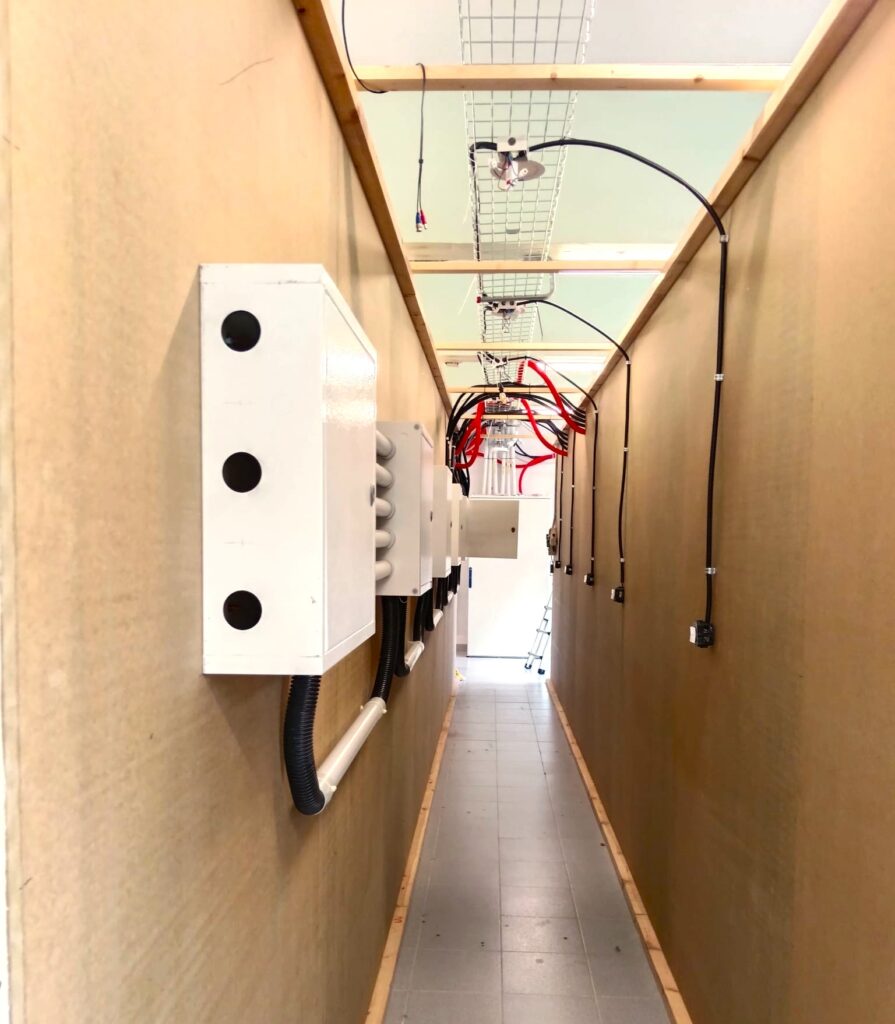
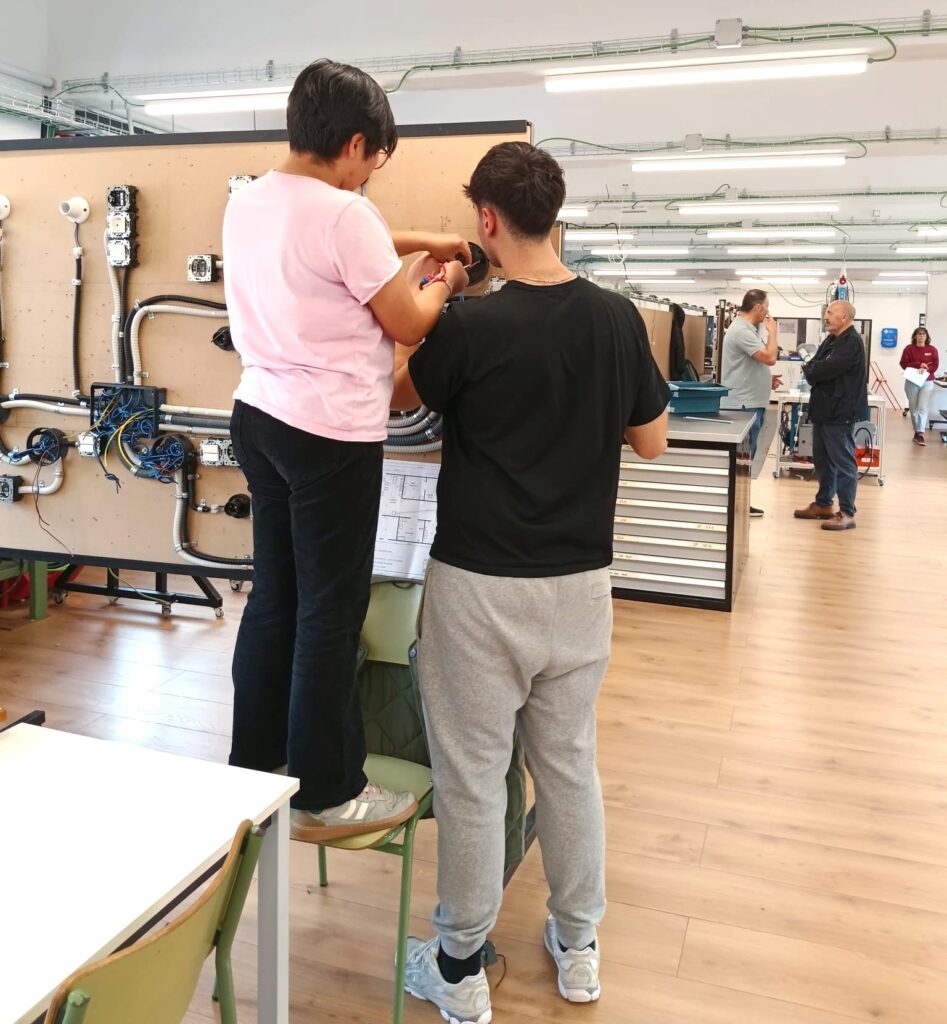
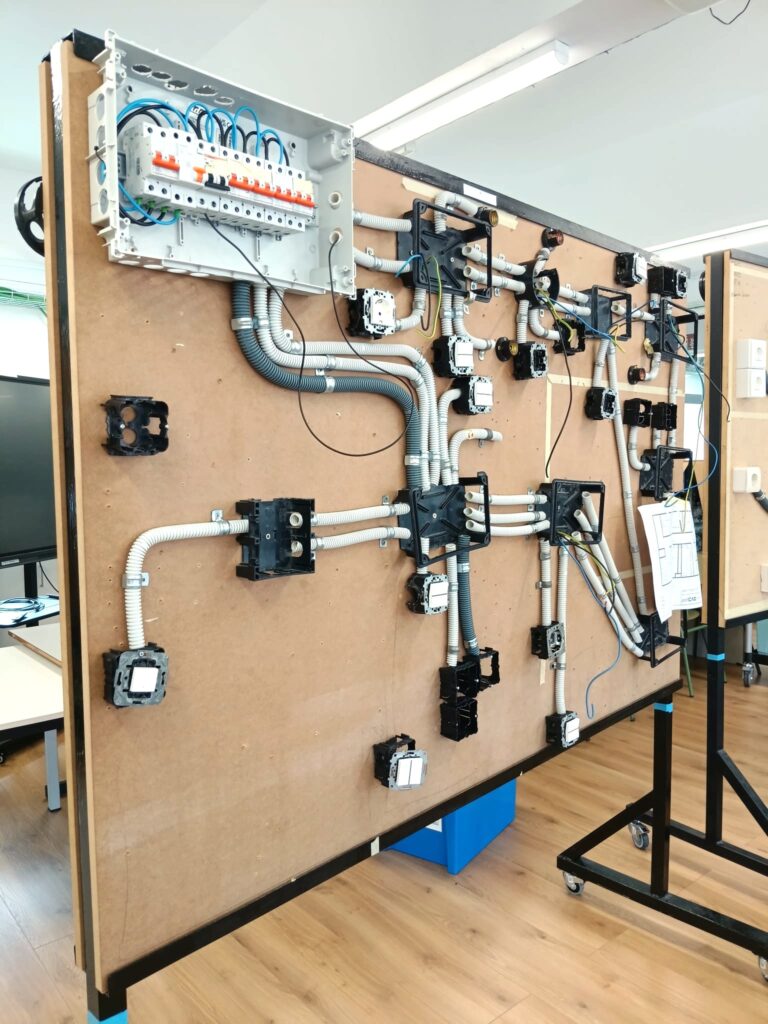
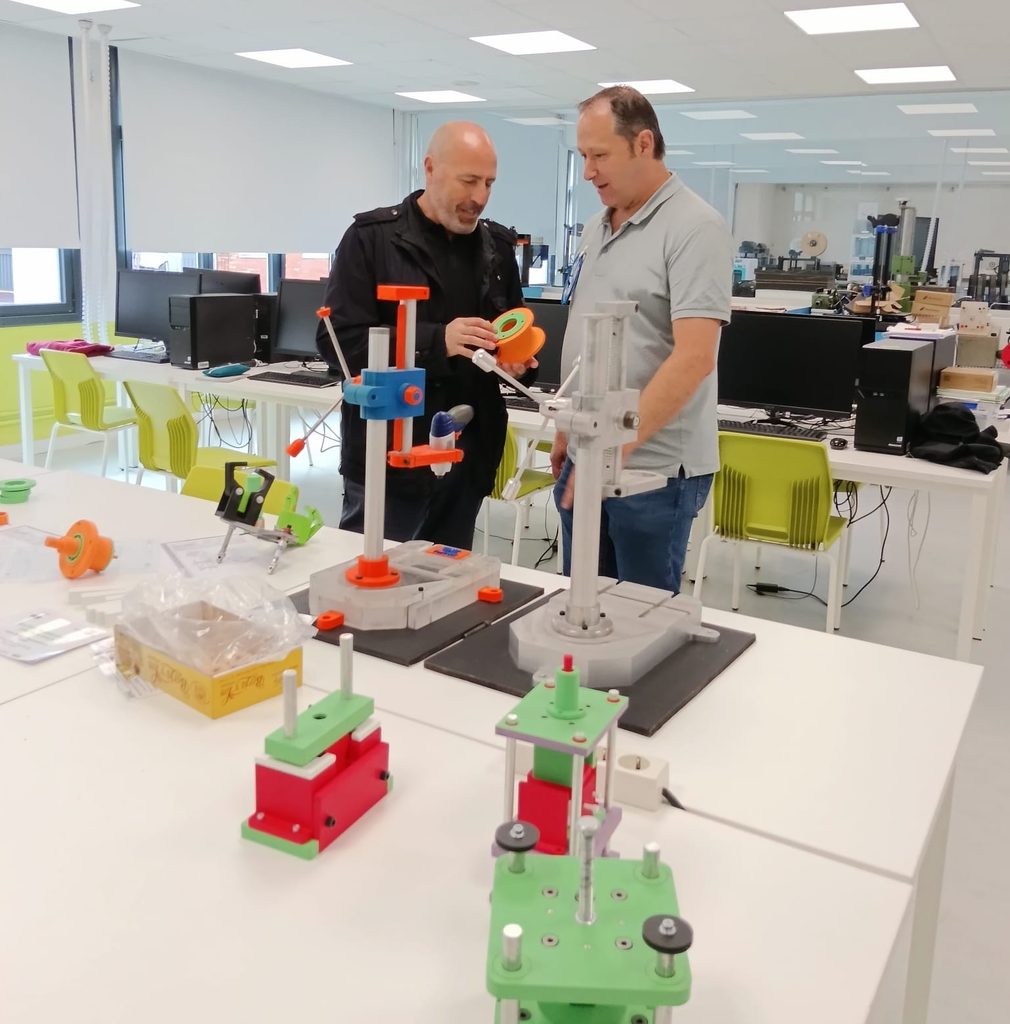
Thanks to the Hernani Vocational Training Center (Hernani Lanbide Heziketa) in Gipuzkoa for hosting us.