
This academic year 2025-26 has undoubtedly been one of the most intense and enriching of my career.
I’ve had the opportunity to visit various Vocational Training Centers and Workplaces, share my vision for the future of vocational training, and talk with teams that are transforming how we understand training and employment.
Today, I want to summarize a large part of what I’ve been publishing these past few months: reflections, photos, experiences, and, of course, summaries of the talks I’ve given at several centers.

Vocational Training as an Engine for Real Change
Each visit has reinforced an idea I already suspected: vocational training is now one of the most dynamic, innovative, and necessary areas of the education system. The centers I’ve visited this year work with an admirable blend of rigor, creativity, and commitment to their communities. I’ve seen projects that directly connect with the needs of businesses, workshops that function as true laboratories of the future, and teaching teams that not only teach but also support, guide, and open doors.
Training Centers: Where Theory Becomes Practice
In my posts over the past few months, I’ve shared images of classrooms, workshops, laboratories, and learning spaces that speak for themselves. What has impressed me most is the ability of these centers to adapt to technological changes, renew methodologies, and offer students experiences that prepare them for a constantly evolving job market.
In the conference I gave, I emphasized three key ideas:
Vocational training needs to continue connecting with the productive reality of the region.
Innovation is not a luxury: it’s a necessity.
Students must be the protagonists of their learning process.
Workplaces: The Essential Bridge
Visits to companies and organizations have been equally revealing. Workplaces that collaborate with vocational training offer more than just internships: they offer context, professional culture, and real opportunities for growth. I’ve seen companies that understand vocational training as a strategic investment, that patiently and diligently support students, and that value training as a key element for their own development.
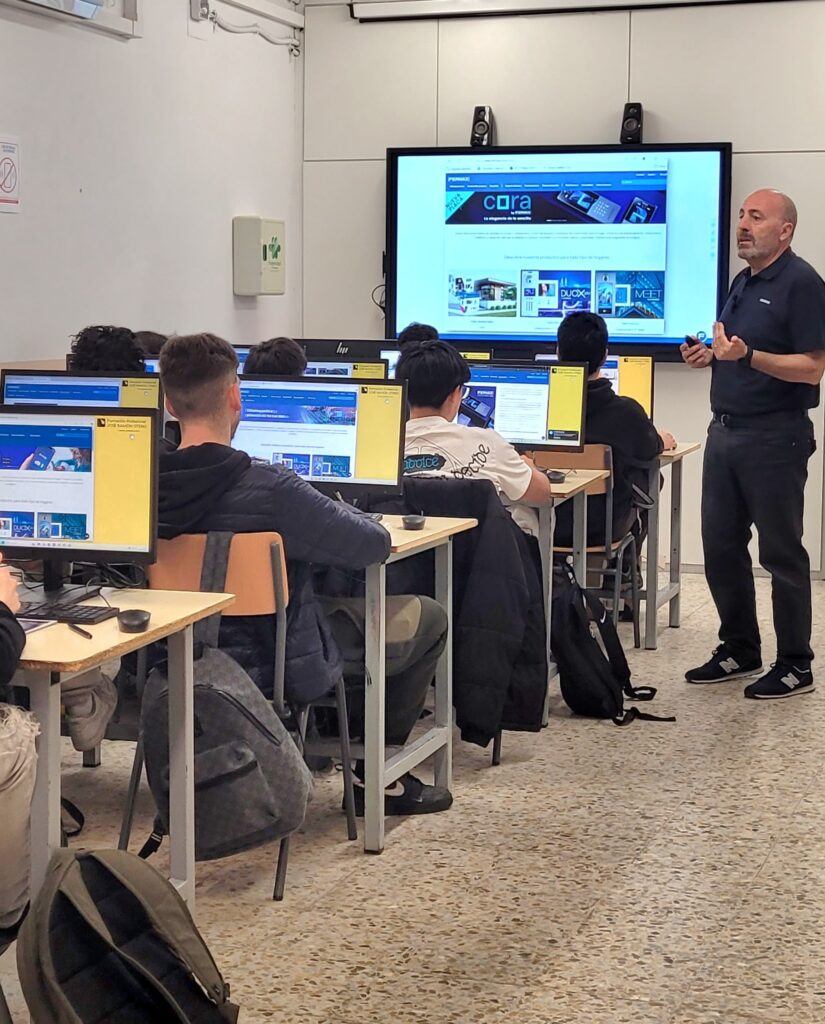
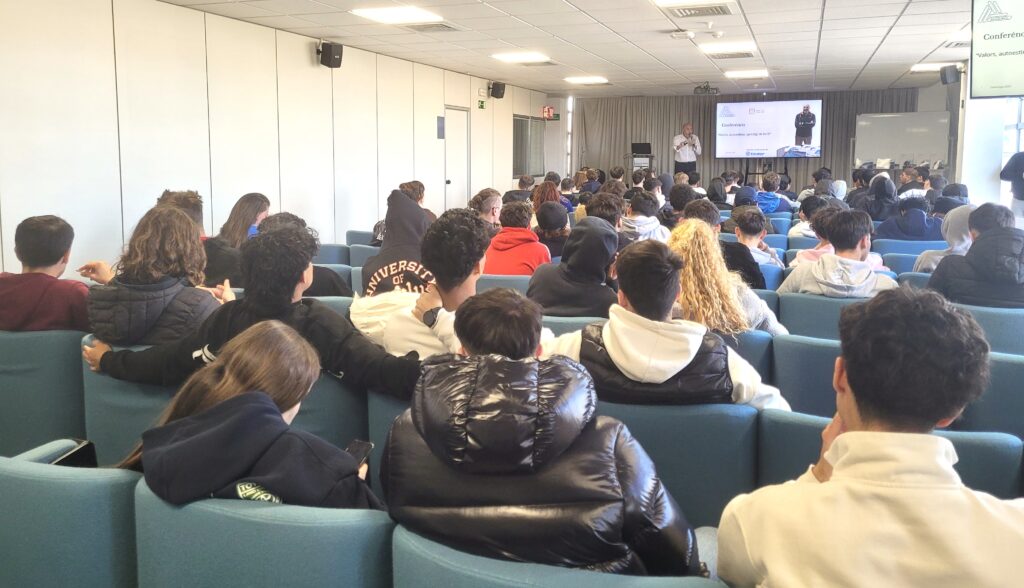
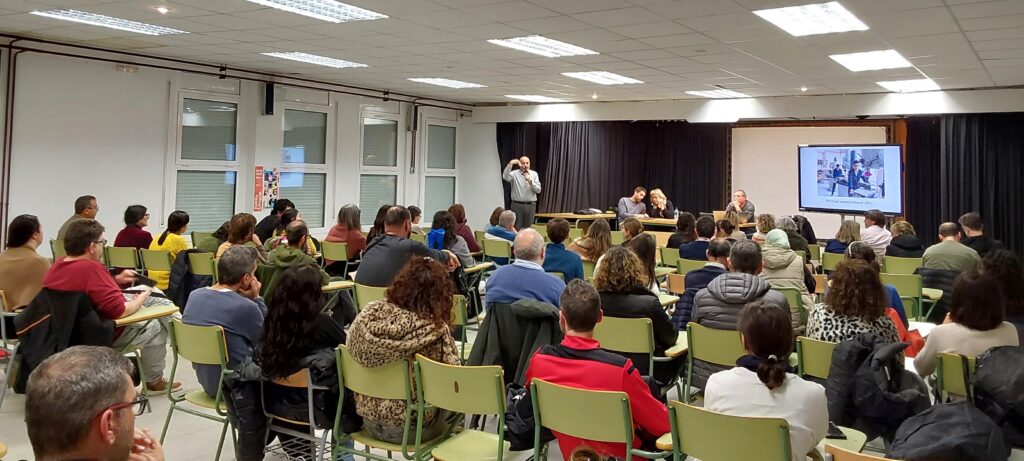
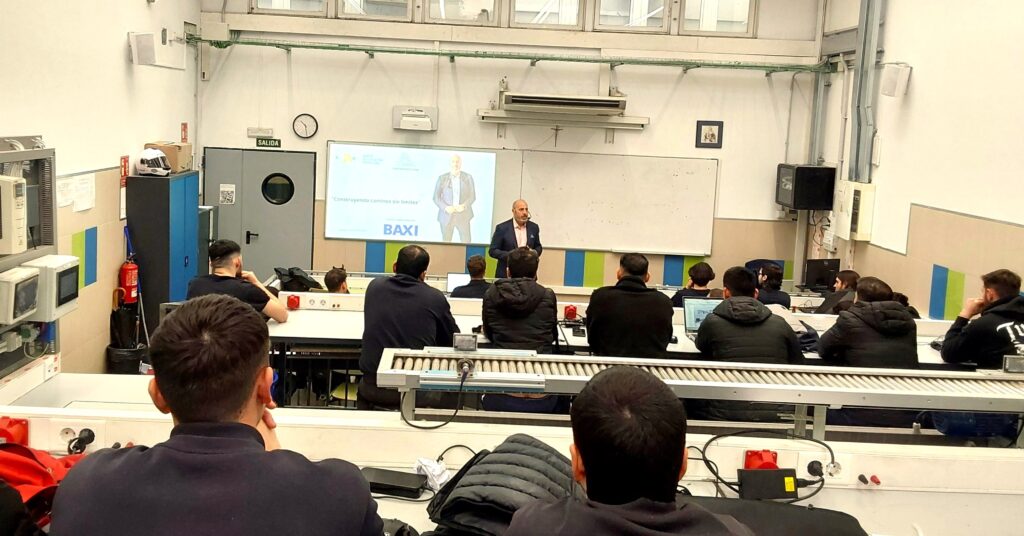
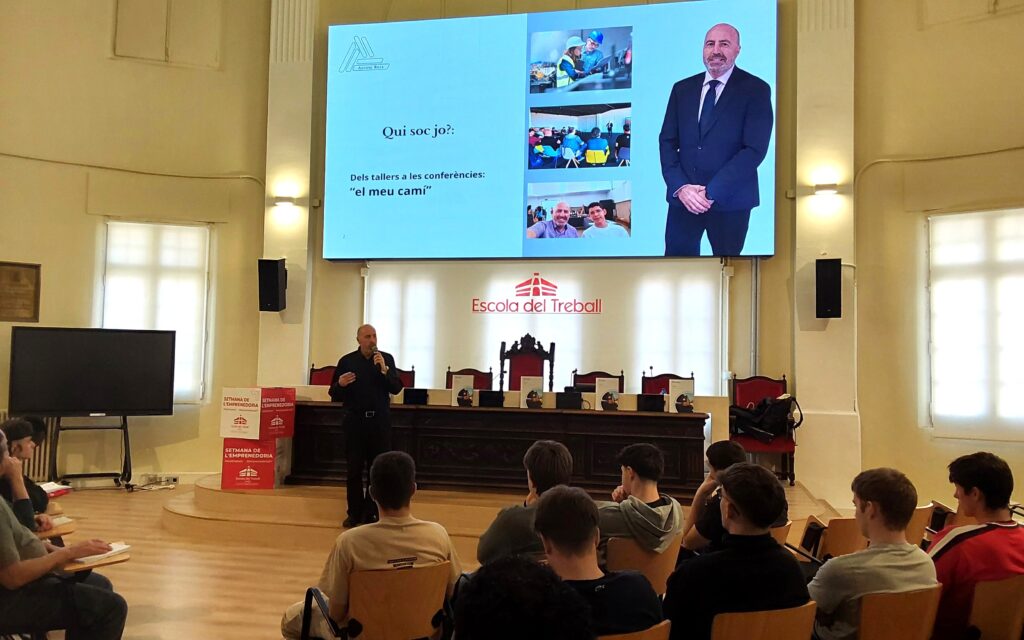
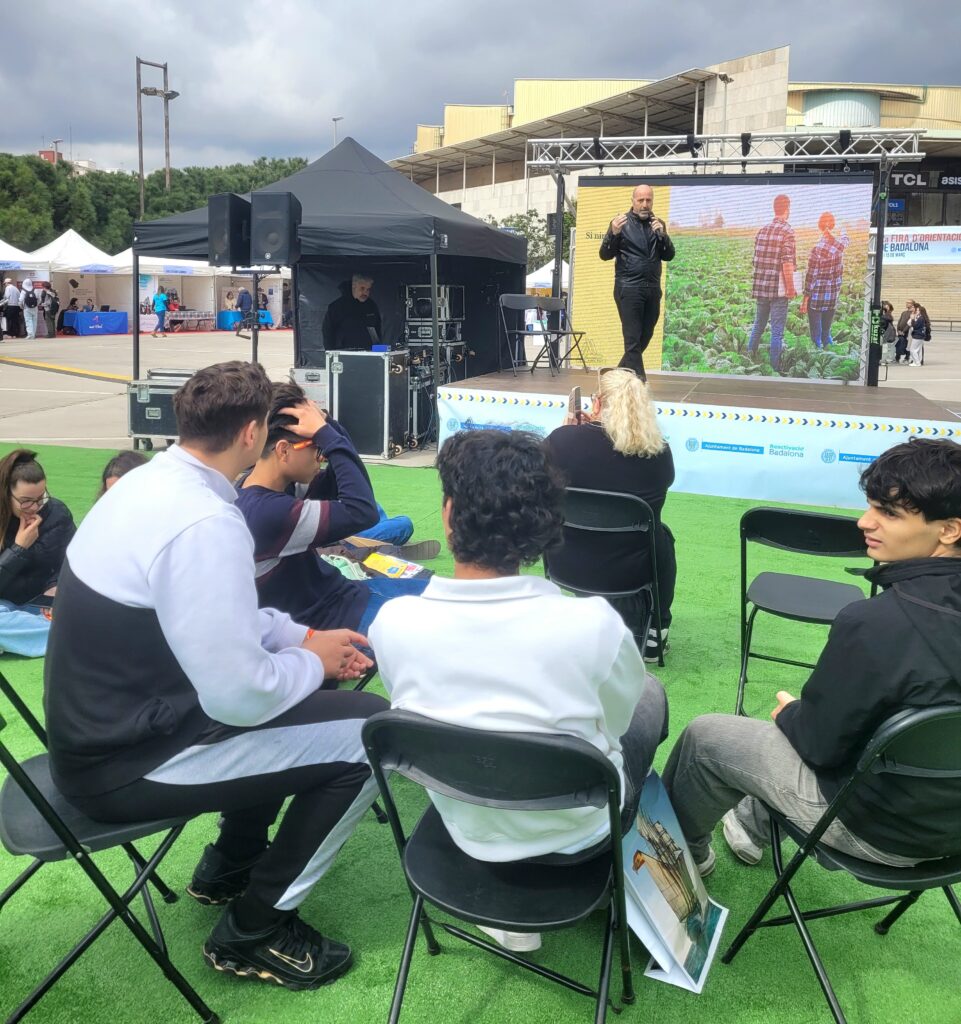
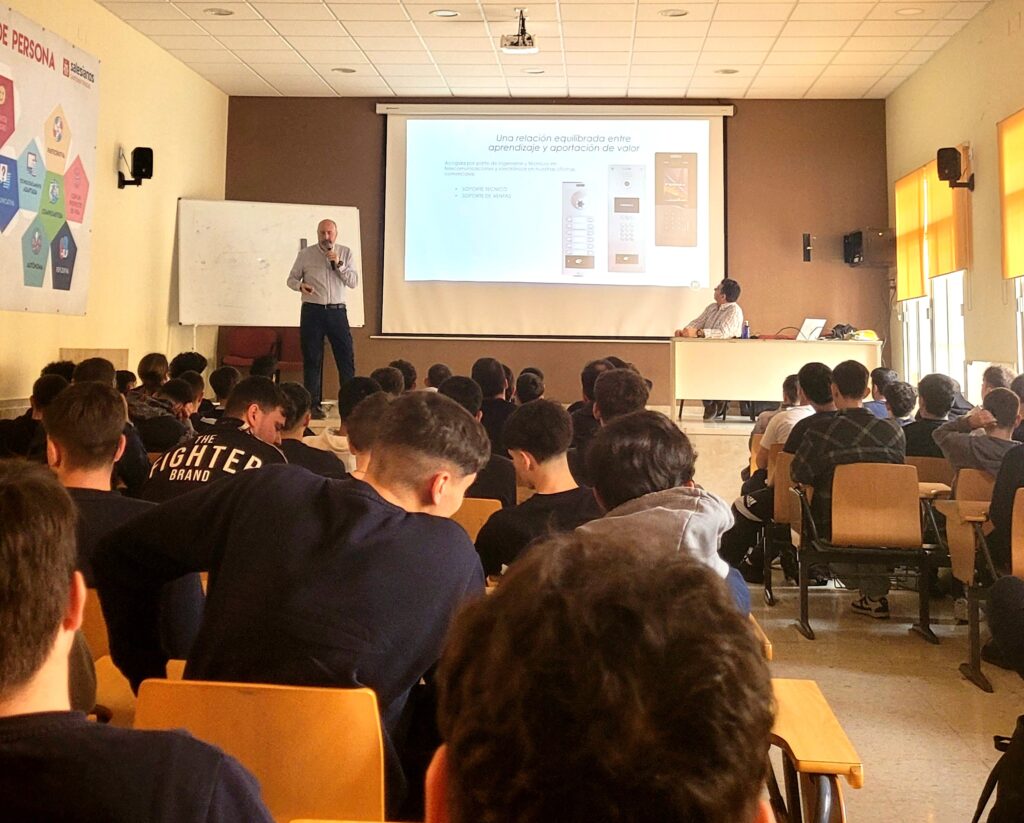
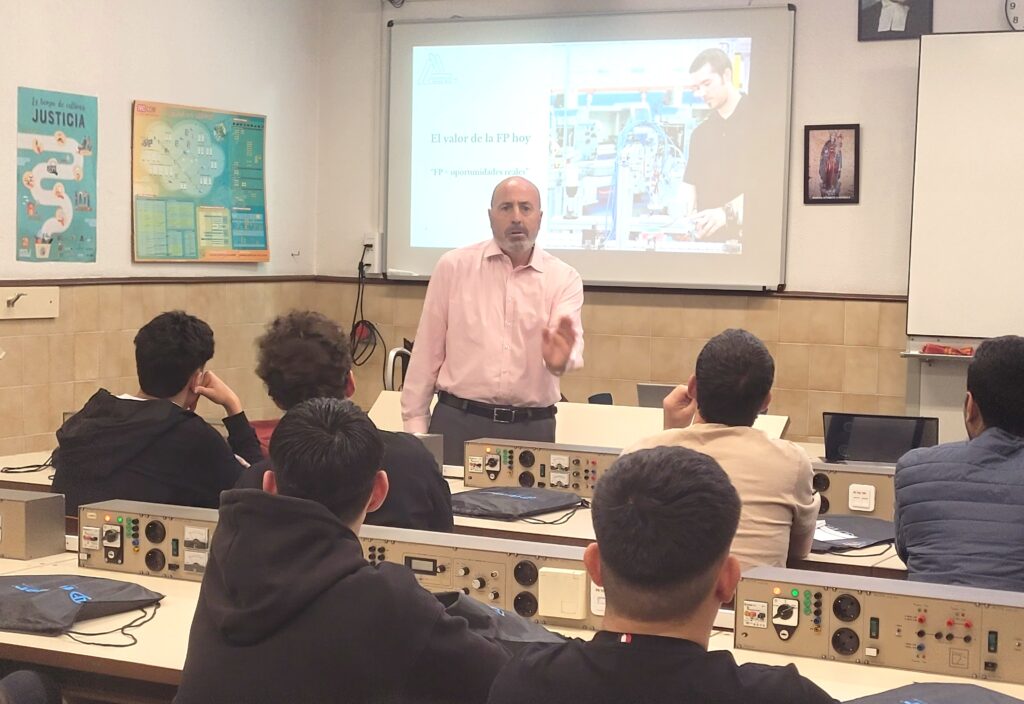
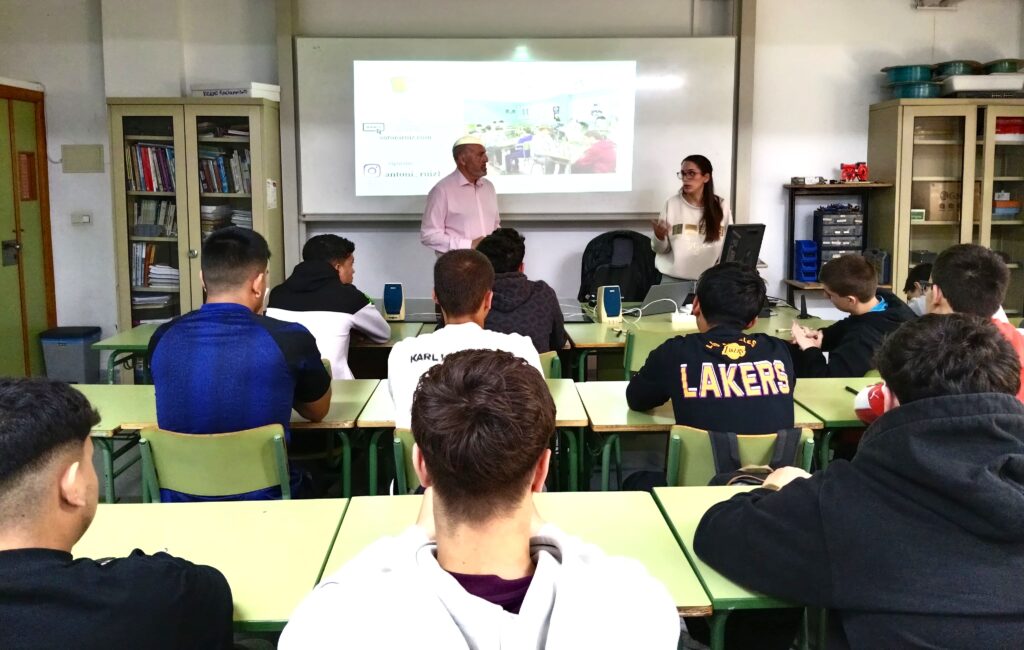
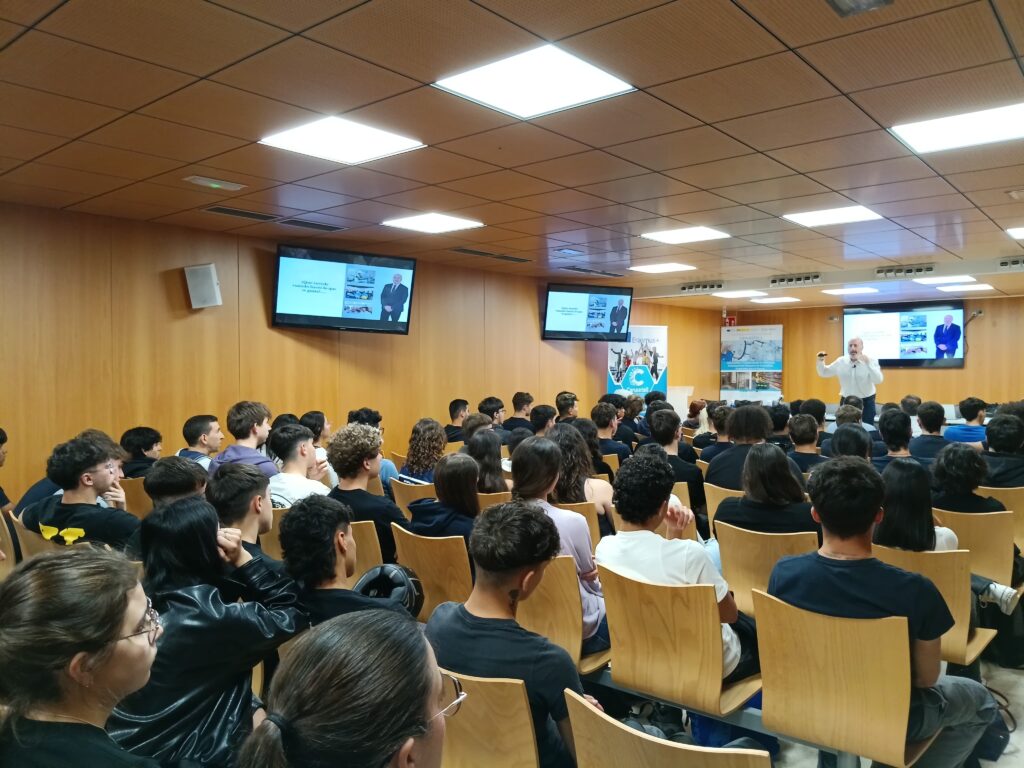
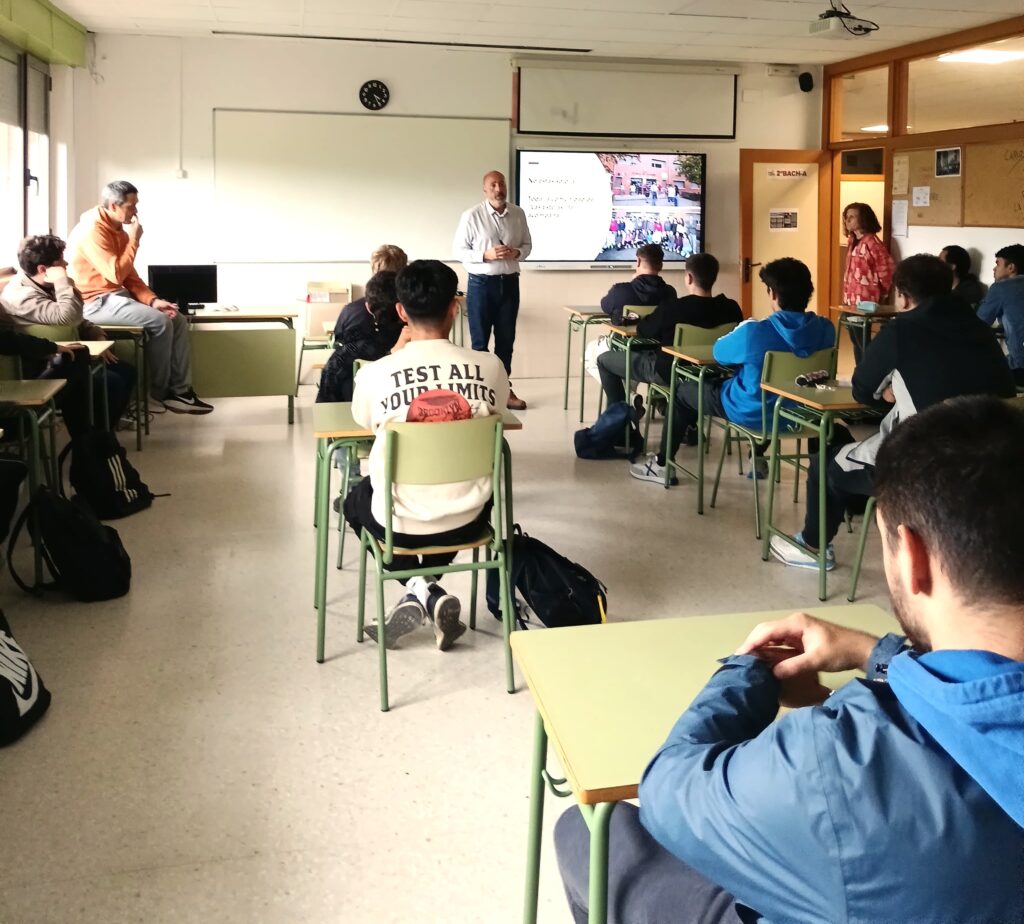
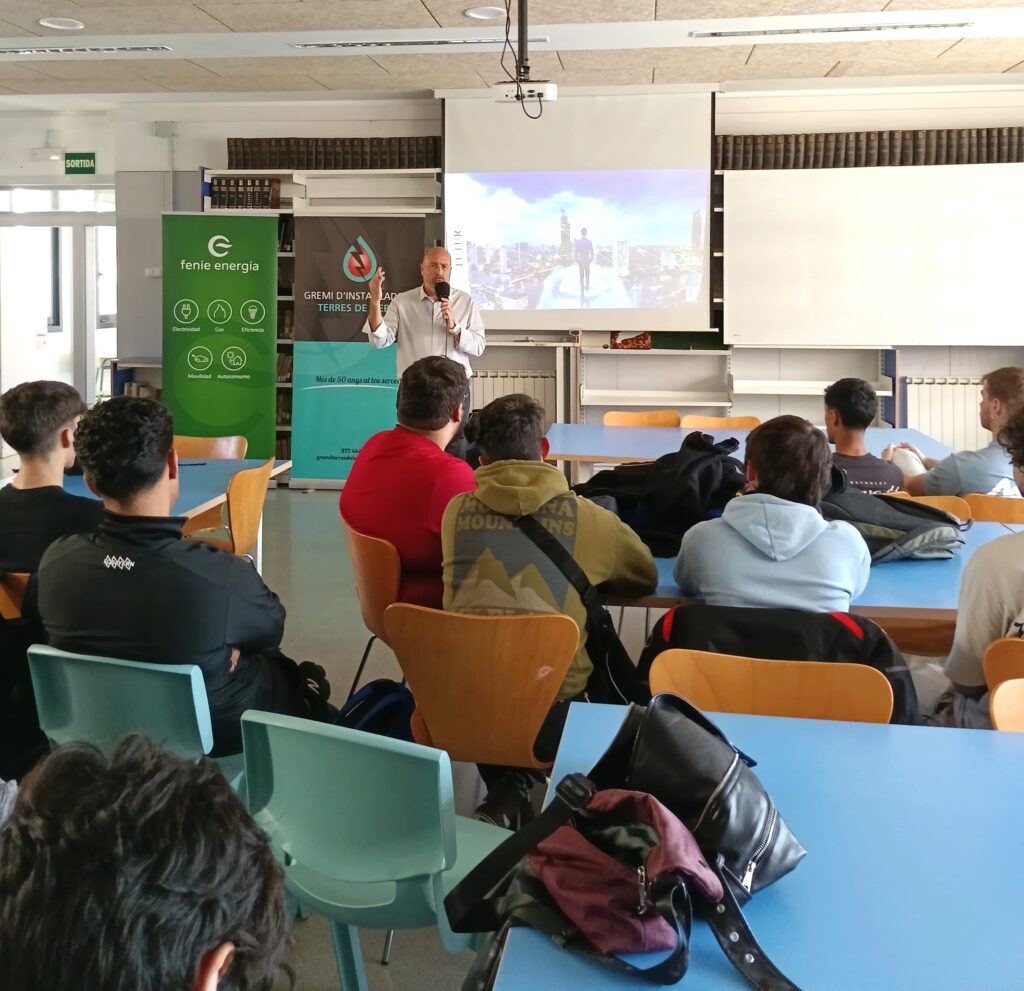
In my previous posts, I’ve shared images of workshops, meetings, production processes, and learning experiences that demonstrate the importance of this collaboration.