
Visiting vocational training centers is always an opportunity to discover talent, vocations, and educational models that transform realities. But there are places that, in addition to training professionals, are steeped in history. One of them is the Vall d’Hebron Institute in Barcelona, where I had the privilege of exploring with its director, Jordi Comellas.
The tour through its classrooms and workshops allowed me to learn about a wide variety of professional fields, all with an enormous social impact: from healthcare to administration, including essential services that today support a large part of our society’s productive fabric. These are areas with very high employability and a clear connection to the real needs of the labor market.
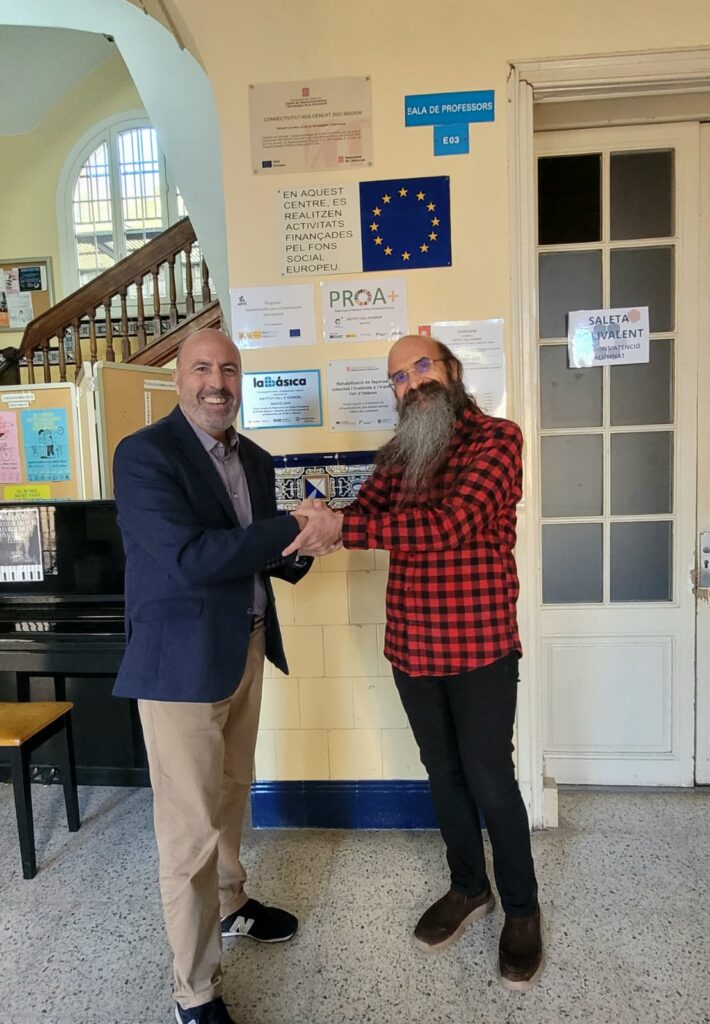
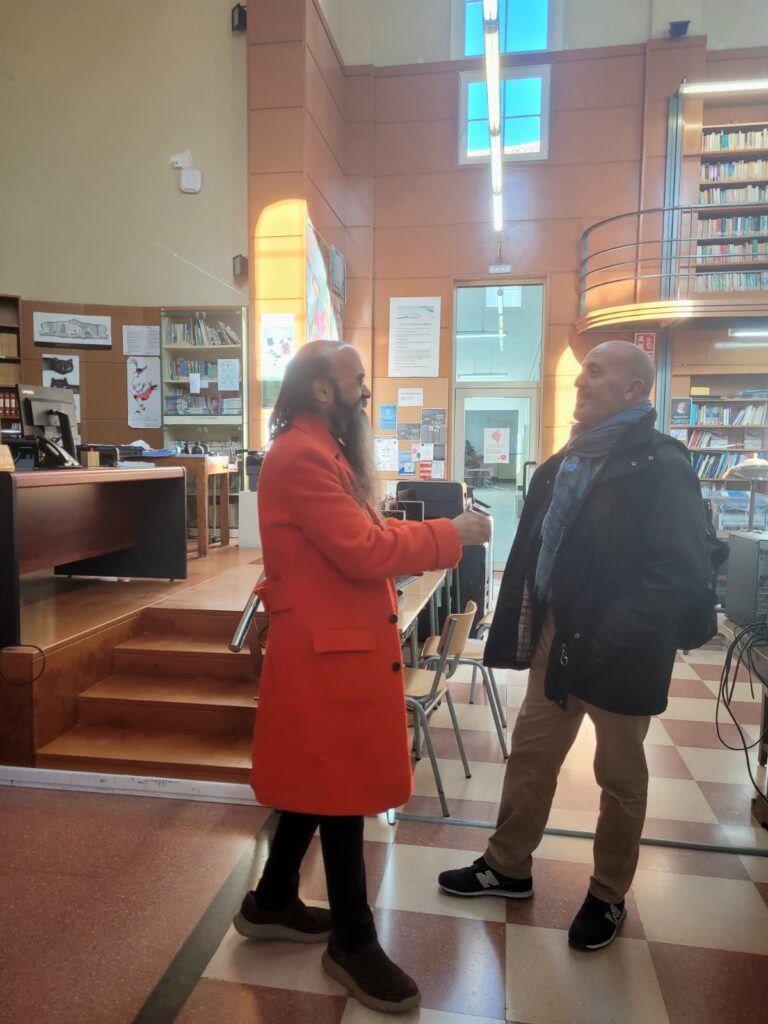
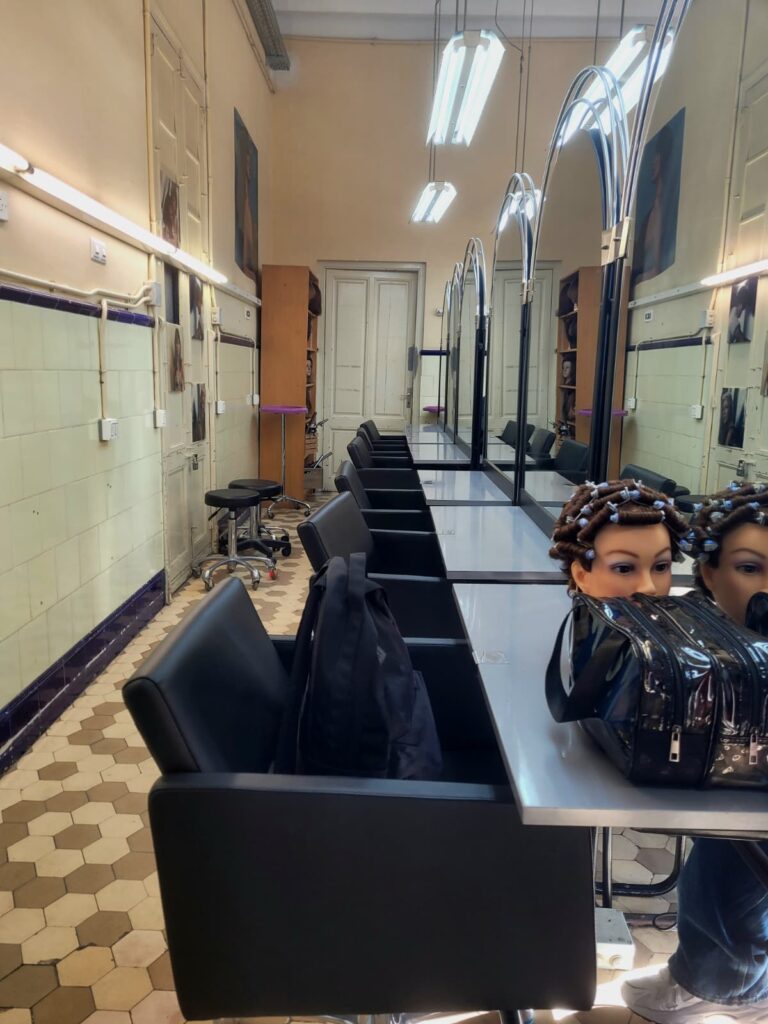
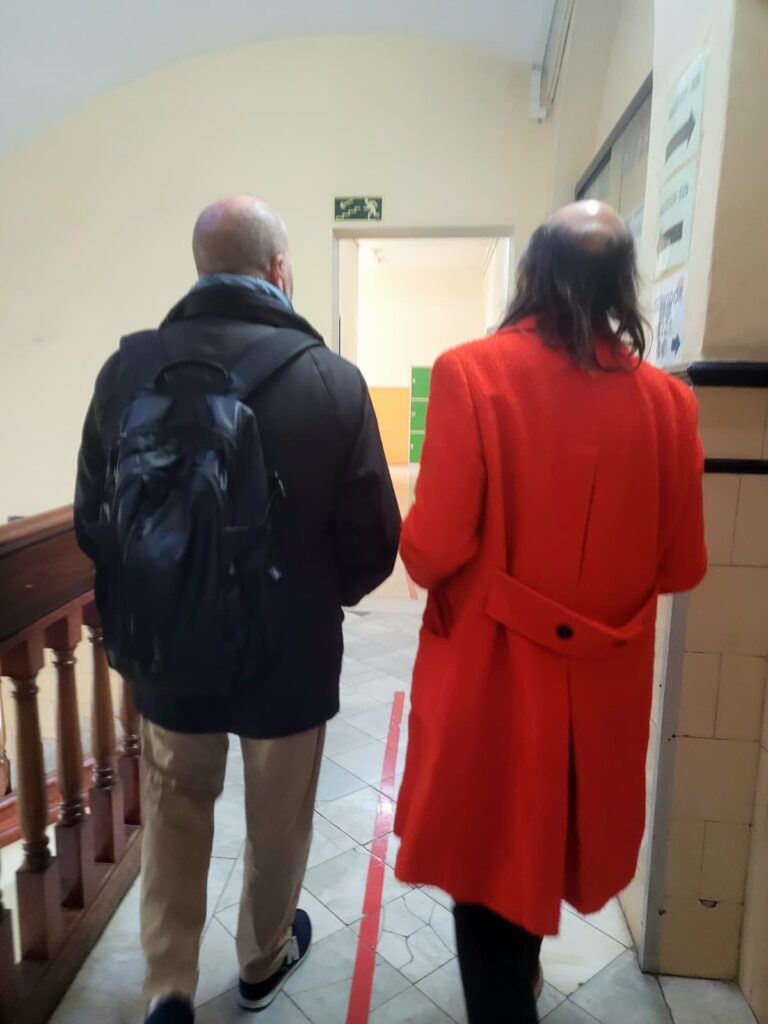
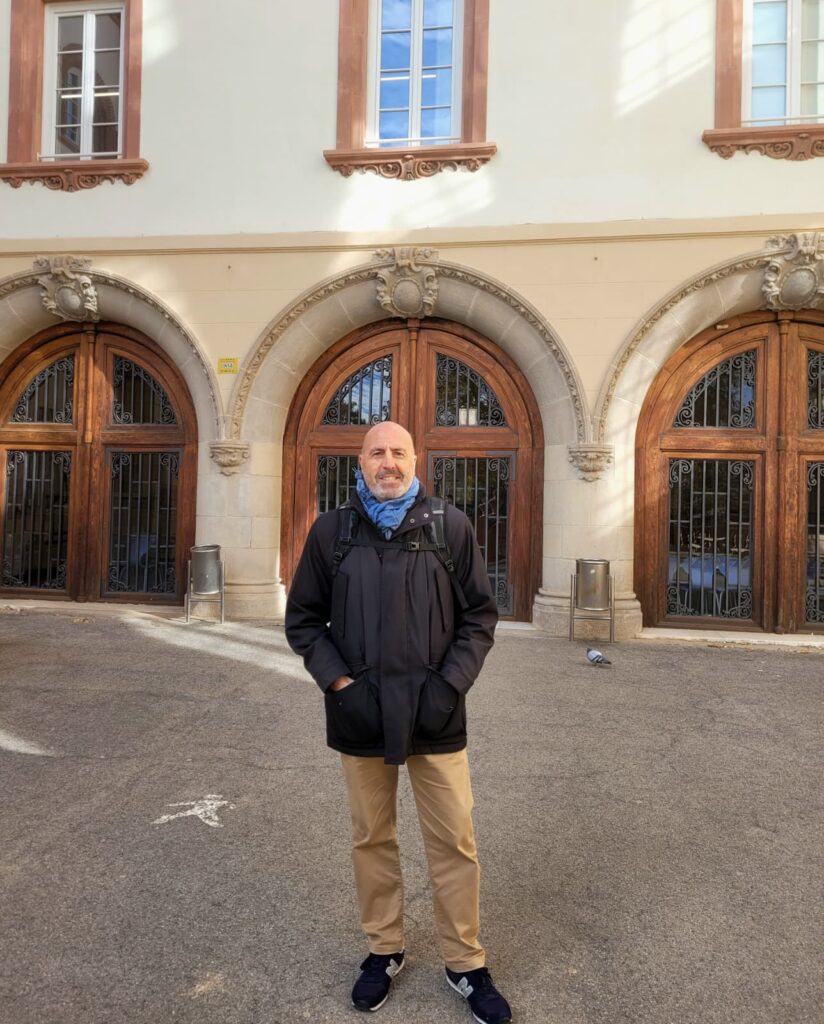
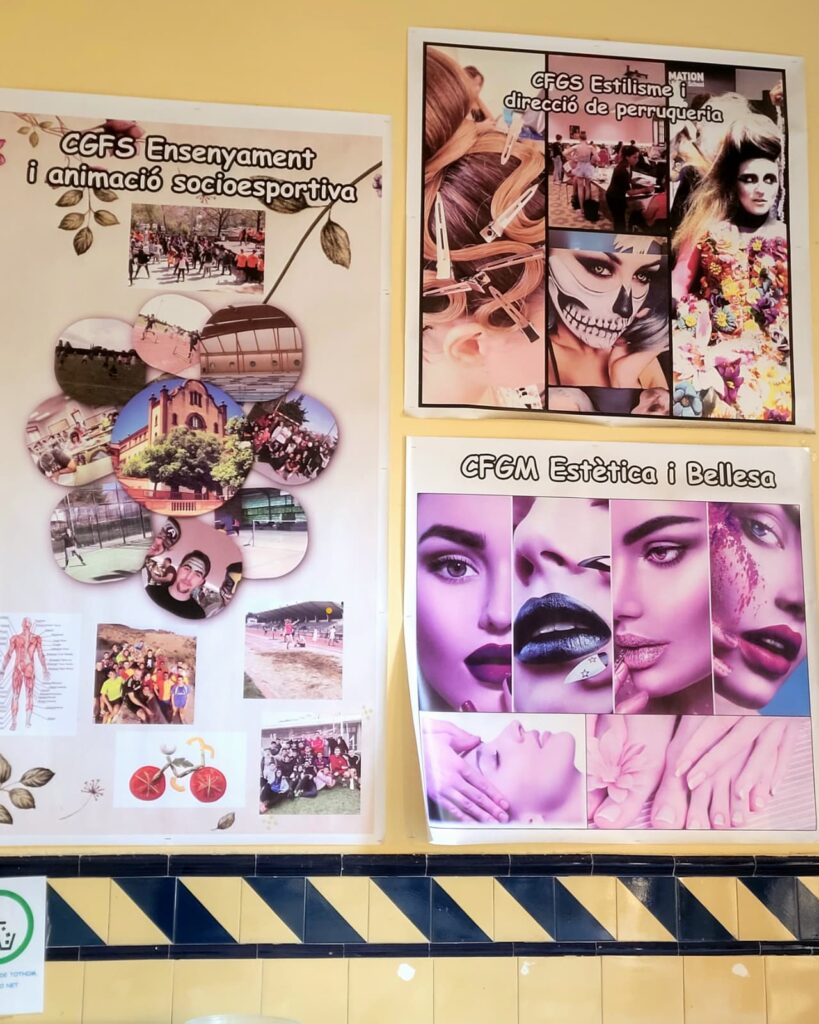
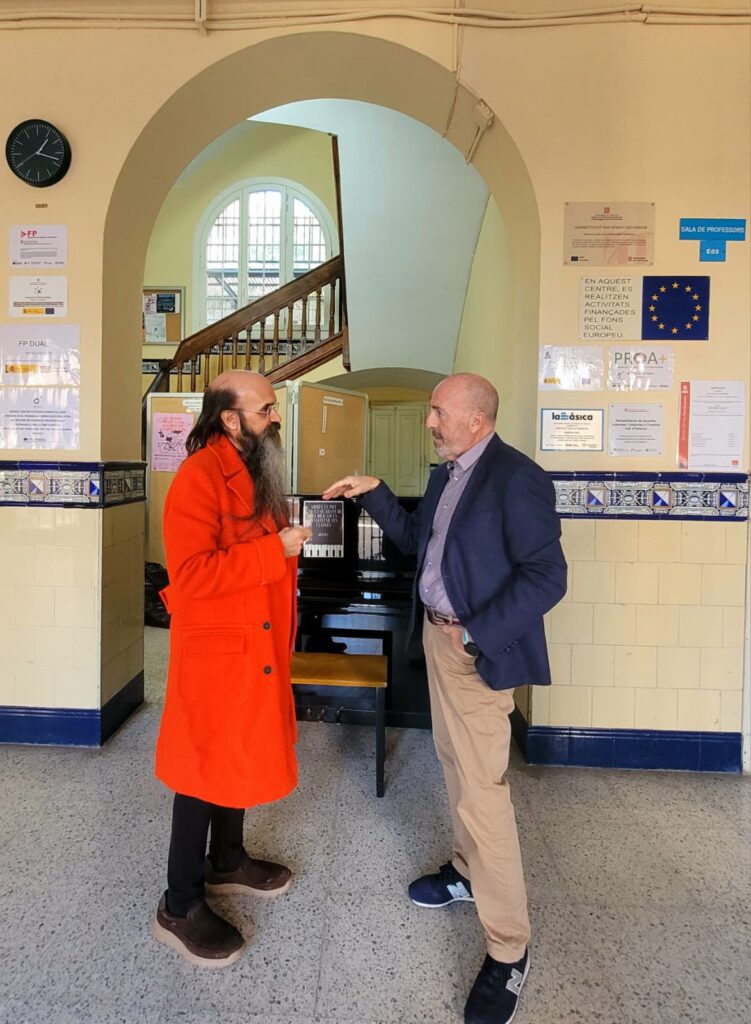
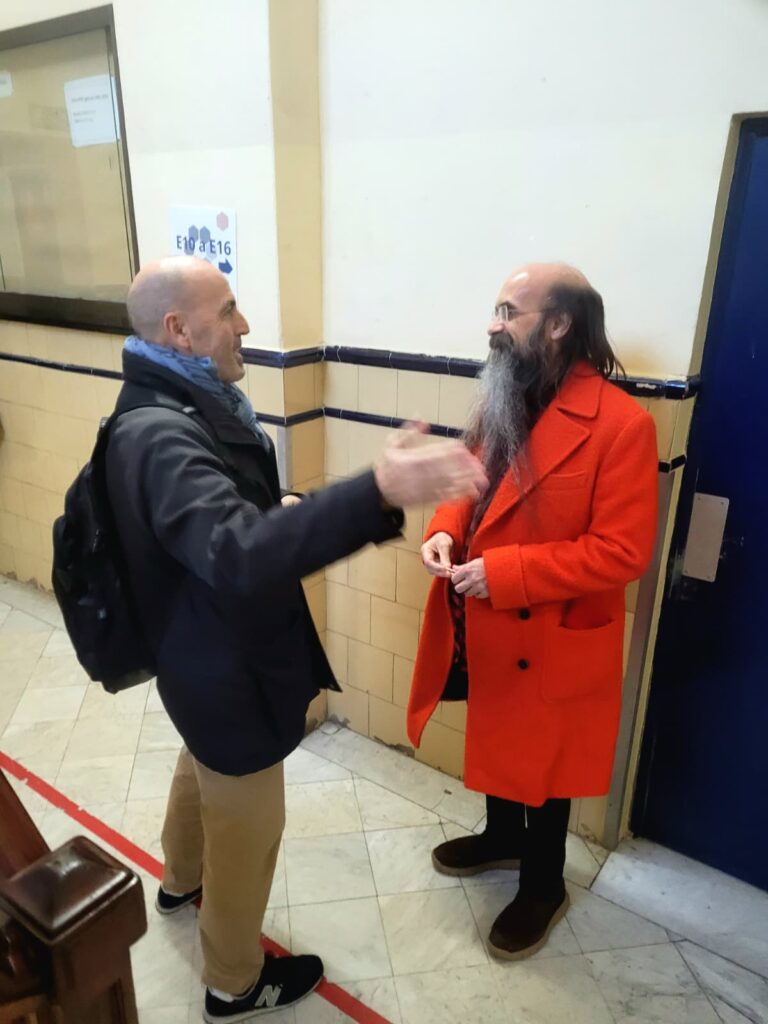

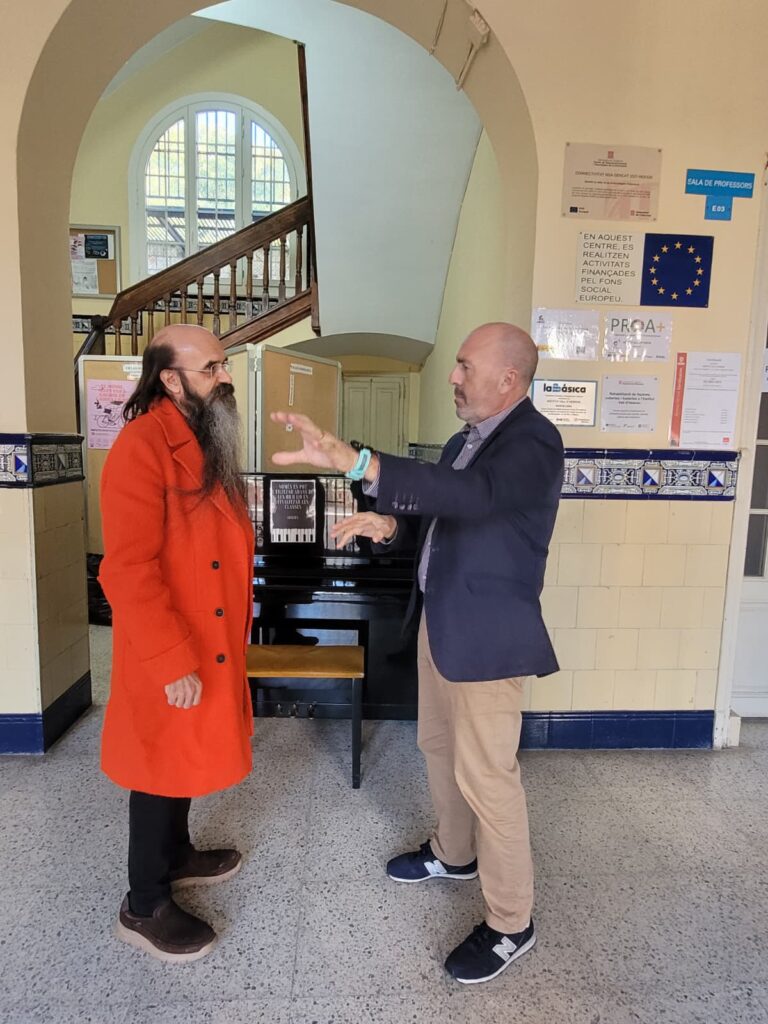
What makes the Vall d’Hebron Institute unique is not only its educational offerings but also its essence. Its main building, a magnificent and classic 1920s structure, is part of the Ribas family legacy. In its beginnings, this space was an orphanage built on the former grounds of the Can Besora estate. Its history is palpable in every corner, but especially in its library, located in what was once a church: a space that impresses, inspires, and connects past and present.
Today, that legacy has been transformed into a vibrant, dynamic center, fully attuned to the demands of the 21st century. Here, high-performance activities, innovative projects, and talent management are fostered, preparing young people for a constantly changing society.
My visit was, without a doubt, a perfect 10. A privilege to discover another great temple of knowledge and Vocational Training in Spain, where tradition and innovation coexist to build the future.