In recent years, we’ve talked a lot about energy transition, sustainability, electrification, and renewable energy. However, there’s an essential element for all of this to be possible, one that often goes unnoticed: people.
The energy future depends not only on technology but also on talent. On well-trained professionals, committed and passionate about a sector destined to be one of the great drivers of economic and social transformation in our time.
But for that talent to exist tomorrow, we must start cultivating it today.
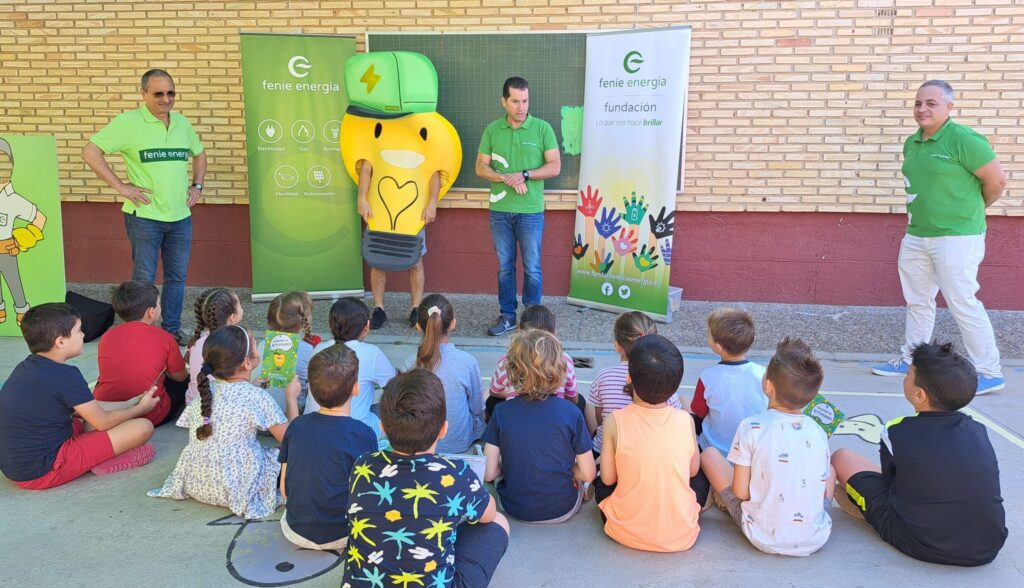
That’s why I consider the initiative promoted by the Feníe Energía Foundation through its Junior Energy Agents program especially valuable.
This project introduces the world of energy to young children in the classroom, with the participation of industry professionals who share their experience and explain in an accessible way what it means to work in this field.
The idea is as simple as it is brilliant: to spark curiosity from an early age.
Because young people are often completely unaware of the professions behind something as commonplace as turning on a light, charging an electric vehicle, or harnessing solar energy.
However, when a child discovers that there are professionals who design electrical installations, work with renewable energy, innovate to make buildings more efficient, or contribute to reducing environmental impact, a world of possibilities begins to open up.
Vocations don’t appear overnight. They are sown, discovered, and nurtured.
Personally, these kinds of initiatives have a very special meaning for me. My own professional journey began precisely this way: discovering the value of a trade that, over time, became both a career path and a passion.
That’s why I feel a deep connection to these kinds of projects that link schools, society, and the productive sector.
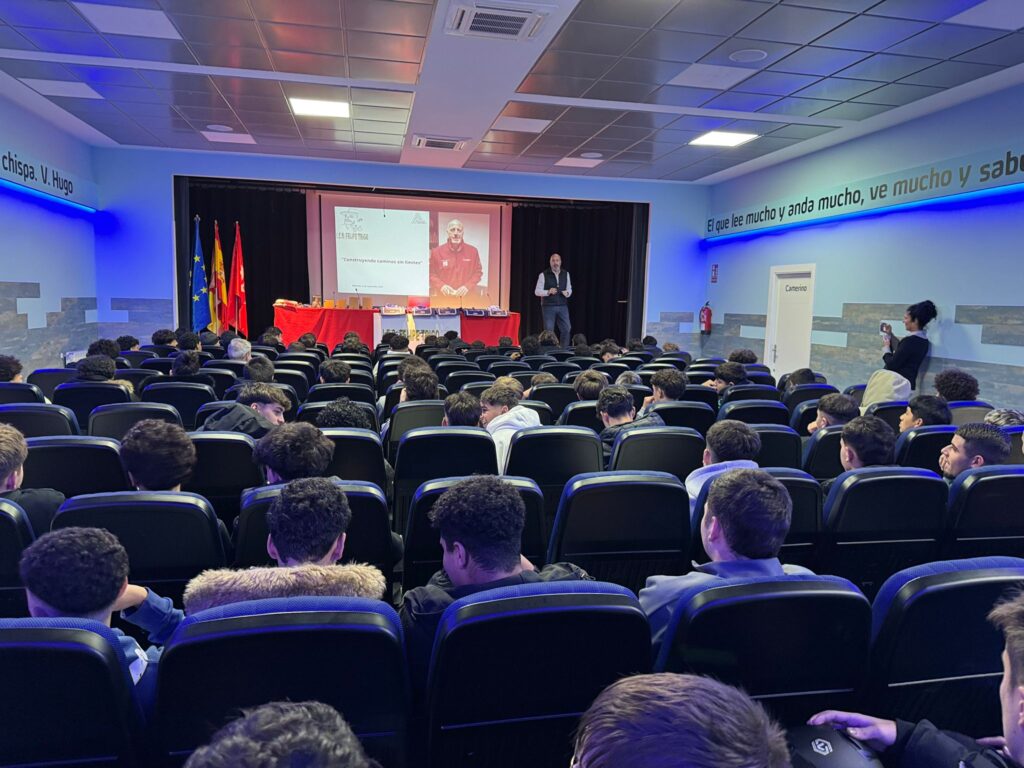
In this sense, Vocational Training plays an absolutely key role. Vocational training is increasingly becoming a path to excellence, enabling thousands of young people to access highly skilled professions linked to strategic sectors such as energy.
Talking about energy-related careers also means talking about opportunities: employment opportunities, innovation, entrepreneurship, and contributing to a more sustainable energy model.
But for these opportunities to reach young people, we must first showcase them, explain them, and make them visible.
Initiatives like Junior Energy Agents demonstrate that when the sector approaches schools with a pedagogical focus and an inspiring spirit, the impact can be enormous.
Because behind every energy transition lies something fundamental: prepared, motivated, and dedicated individuals.
And often, it all begins with a simple spark of curiosity in the classroom.