
Creativity, shared responsibility and new formats to build VET connected to the productive reality
The need to create meeting spaces between Vocational Education and Training (VET) and companies seems obvious. No one questions it.
What truly matters today is not the what, but the how.
For years, we have relied almost exclusively on traditional formats to showcase VET: student fairs, education fairs or job fairs. Necessary initiatives, yes, but clearly insufficient. In many of these spaces, VET still plays a secondary role, almost as a visitor or guest, presenting its training offer without real and meaningful interaction with the productive sector.
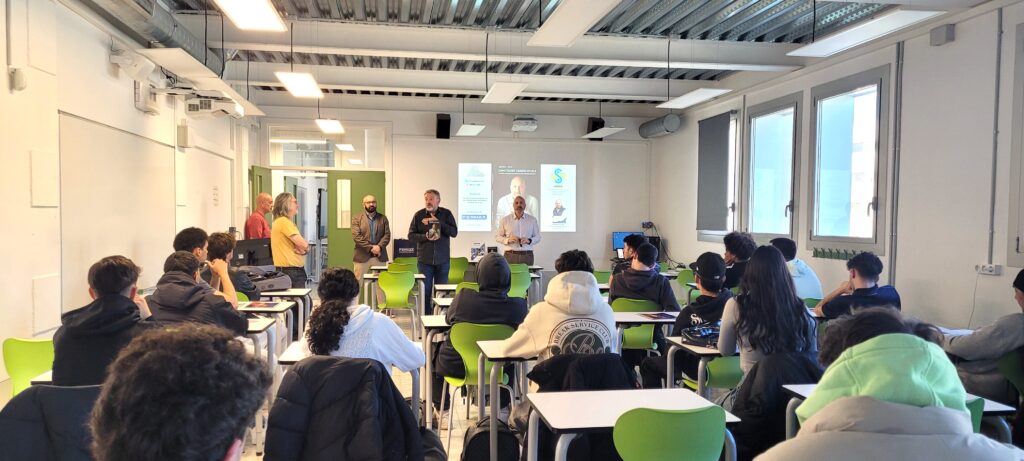
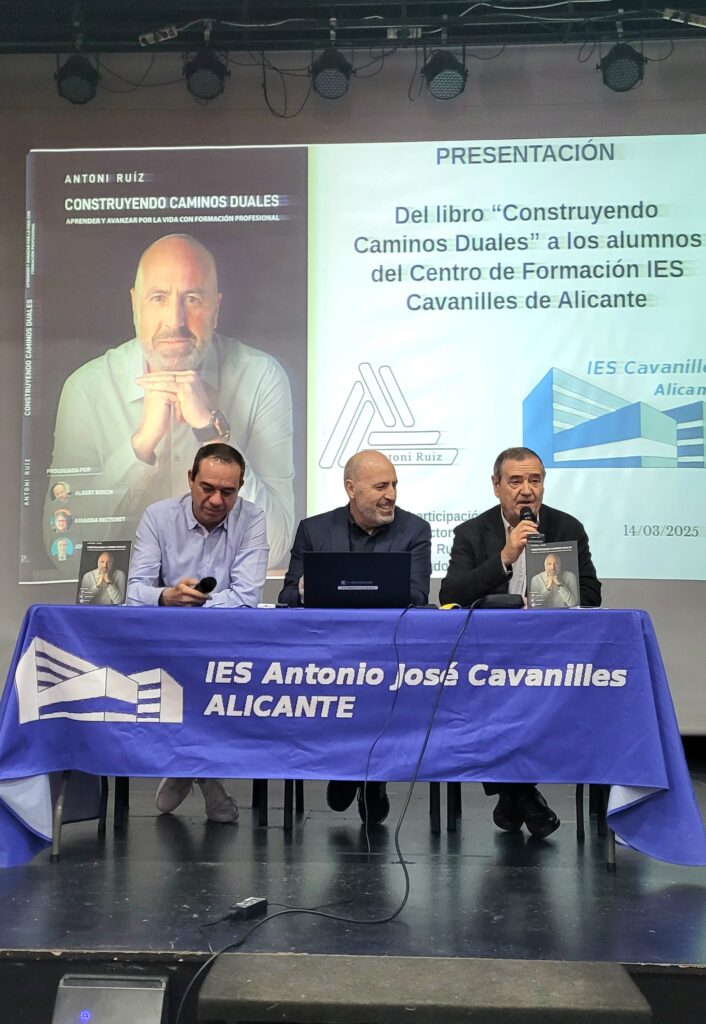
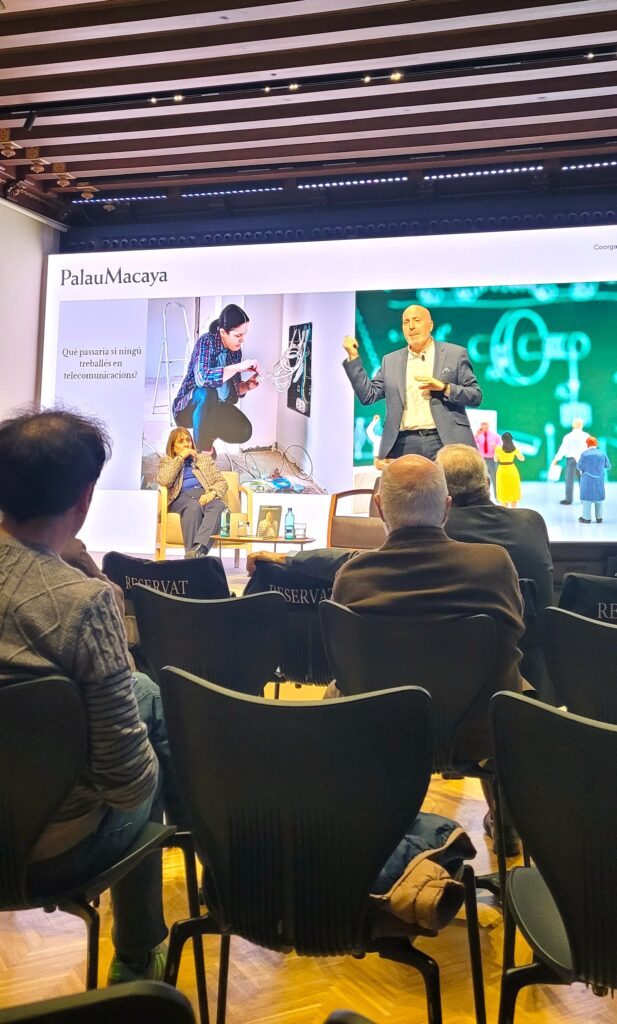
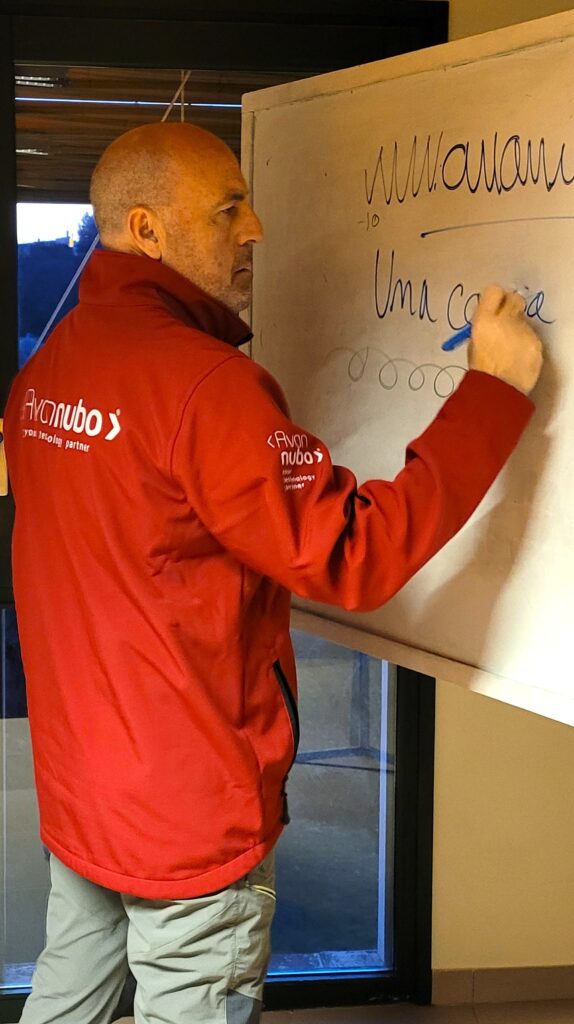
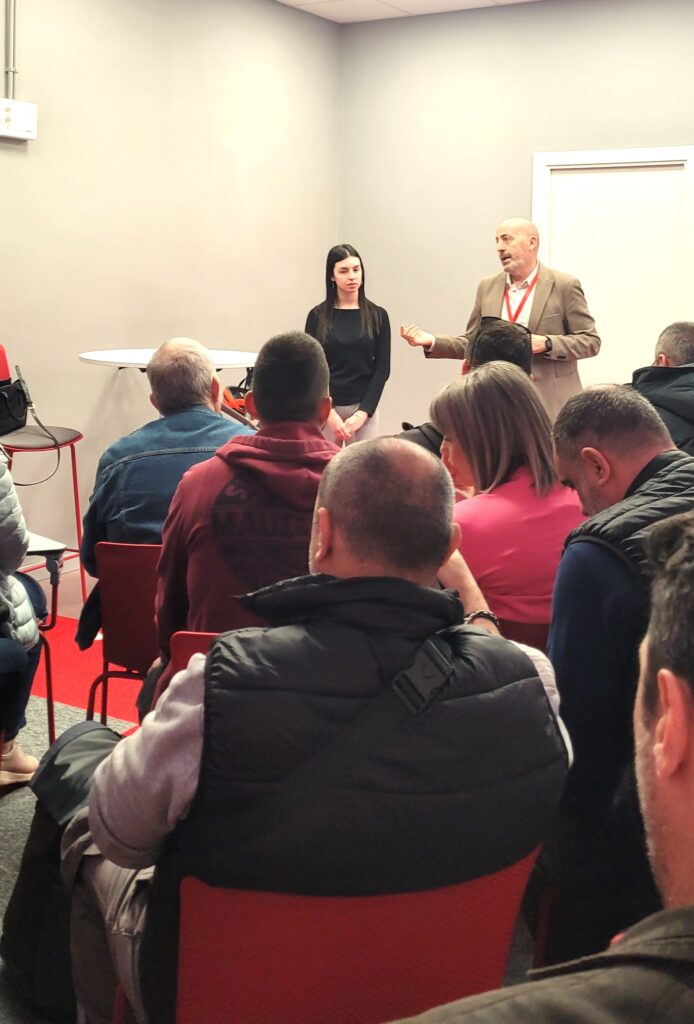
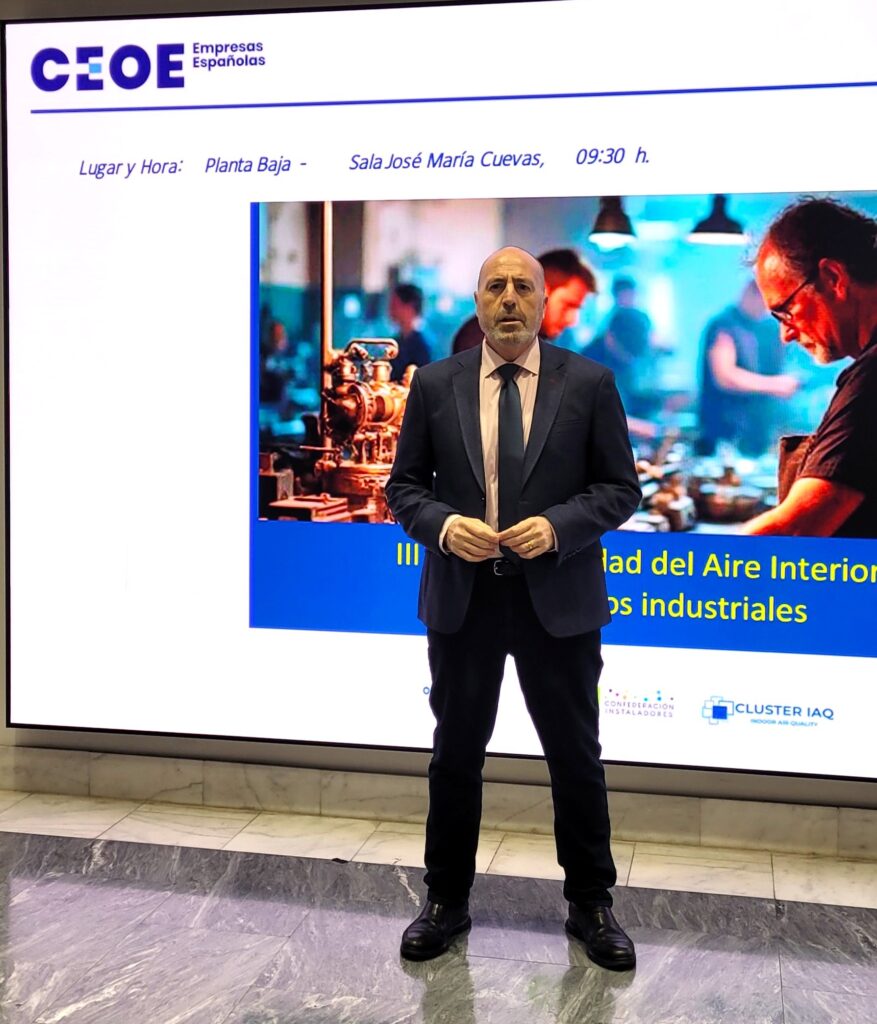
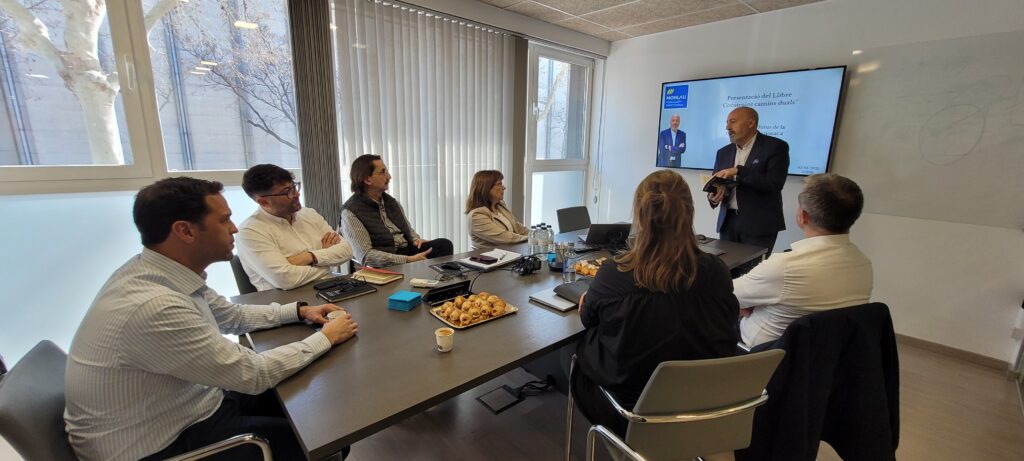
The new single and integrated Vocational Education and Training system demands something essential from us: the courage to be creative, to propose and test new meeting formats where VET and companies do not simply meet, but co-design, engage in dialogue and build together.
Today’s VET system —structured across Levels A, B, C, D and E— cannot be understood without the active involvement of all social stakeholders. And above all, without a real and committed coalition of companies, not only to give meaning to Dual VET, but also to ensure living, updated curricula aligned with the real demands of employability.
Who should be involved in these meeting spaces?
For these new formats to succeed, an inclusive and broad vision is required:
- Educational centres:
- Public centres (secondary schools and integrated VET centres)
- Private centres with publicly funded VET programmes
- Private centres
- Accredited centres delivering VET
- Local authorities accredited to deliver VET
- Companies, large, medium and small
- Business associations, federations and professional circles
- Equivalent bodies and organisations linked to VET
All of them are part of the ecosystem. And all of them are essential.
And how do we participate? Strategies that add value
Sharing the same space is not enough. The logic of participation must change:
- Shared design among all stakeholders, with strong involvement from the local and municipal level.
- Workshops organised by professional families or based on real productive challenges, proposed by companies themselves.
- Presentation of training programmes through simulations, at small or medium scale, allowing people to truly “see” and “experience” VET.
- Direct presentation of qualification and employment needs by companies, fostering honest and two-way dialogue.
Vocational Education cannot continue to be explained solely through brochures or catalogues. It needs living environments, where experimentation, listening and trust-building take place.
Because the future of VET is not just about expanding training provision, but about strengthening its connection with the productive reality. And that future is built precisely by daring to do things differently.